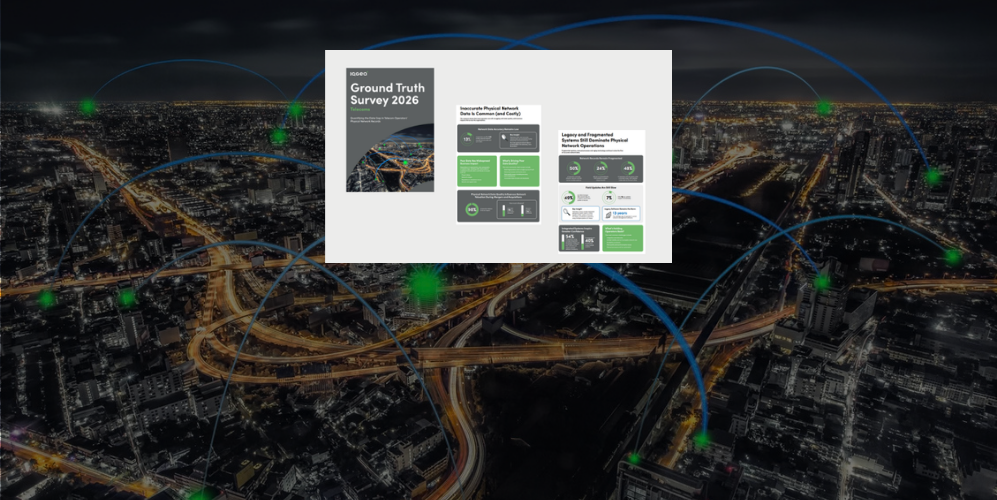

The IQGeo 2026 Ground Truth Survey: Telecoms is the first major survey looking into the challenges that stand between telecom operators and autonomous networks, giving leaders an overview of AI maturity across the industry and providing insight into the path ahead.
Leading telecom companies are racing to achieve AI-enabled autonomous network operations by 2030, but operators are still using legacy systems and manual data processes that decrease efficiency and prevent automation initiatives from moving forward. IQGeo commissioned independent research with Vanson Bourne to learn more about what’s holding operators back and how they plan to use AI to solve their most pressing physical network data issues.
The insights in the 2026 Ground Truth Survey: Telecoms come from 500 senior telecom decision-makers across the US, Canada and the UK. The survey included leaders representing mobile, fixed broadband, fiber, integrated and wholesale operators, providing a clear picture of readiness in the telecom industry as a whole. 82% of these leaders represent operators that serve more than one million subscribers and 73% work for organizations with over 1,000 employees, offering a view into how some of the world’s largest telecom companies are preparing for autonomous networks.
This article highlights some of the key findings that reveal where operators are already making progress and the gaps they need to close to reach their ambitious autonomous network targets.

Are Telecom Operators Ready for Autonomous Networks?
Nearly two thirds of all operators (63%) expect that their data, processes and systems will be mature enough for fully autonomous networks by 2030. 57% of larger organizations with over 1,000 employees and 33% of those serving more than one million subscribers believe that they’ll be ready before the end of the decade. Meanwhile, most smaller organizations believe that they’ll need more time.
Budget constraints and competing investment priorities are the most-cited barrier to readiness, with 50% of respondents indicating that this is their top challenge.
Operators also report issues with their current software solutions and operational processes. On average, operators’ current network management software is 14 years old. 47% of respondents said that they have legacy systems that are difficult to modernize while 43% said that lack of integration between those legacy systems is holding them back. Over half of operators say their physical network records are spread across multiple systems, including geographic information systems (GIS), field operations systems, CAD systems and even paper-based records.
On top of these hurdles, 45% of operators say they don’t have the internal skills or expertise in AI and automation to embark on the physical network data governance or AI development projects that would move the organization towards autonomy.
To better understand the obstacles operators face on the road to autonomous networks, here’s a closer look at the gaps in current technology and data processes the 2026 Ground Truth Survey uncovered:
100% of Operators Reported Business Impact from Inaccurate Data
Physical network data accuracy is essential for the autonomous networks of tomorrow. But even today, operators’ current data processes don’t adequately support operations and are actively cutting into the bottom line.
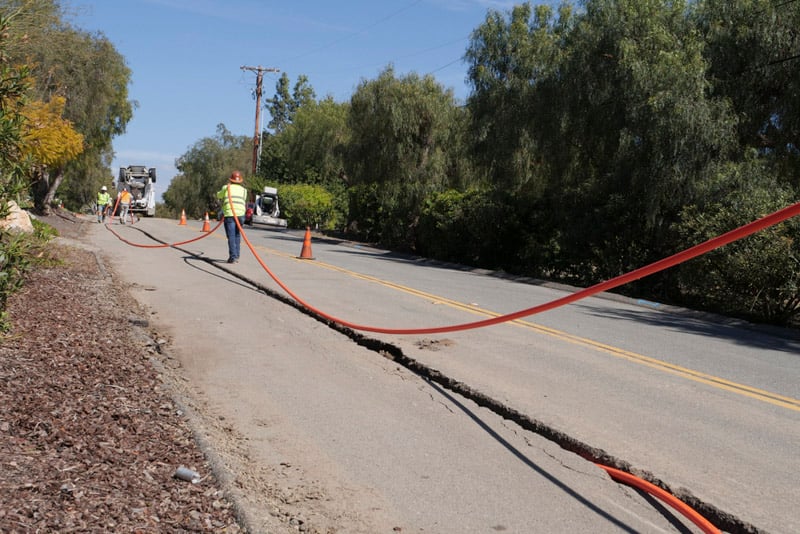
Every operator surveyed said that inaccurate physical network data has impacted operations in the past 12 months. 71% experienced project delays, 71% saw service activation delays and 68% had to send engineers back to site for rework. Poor data accuracy lengthens time-to-revenue and disrupts the customer experience, making it more likely that new customers will opt for another provider. Rework can quickly eat margin, especially when installations are complex or located in rural areas.
90% of Operators Require Engineers to Take Photos, Just 11% are Checked
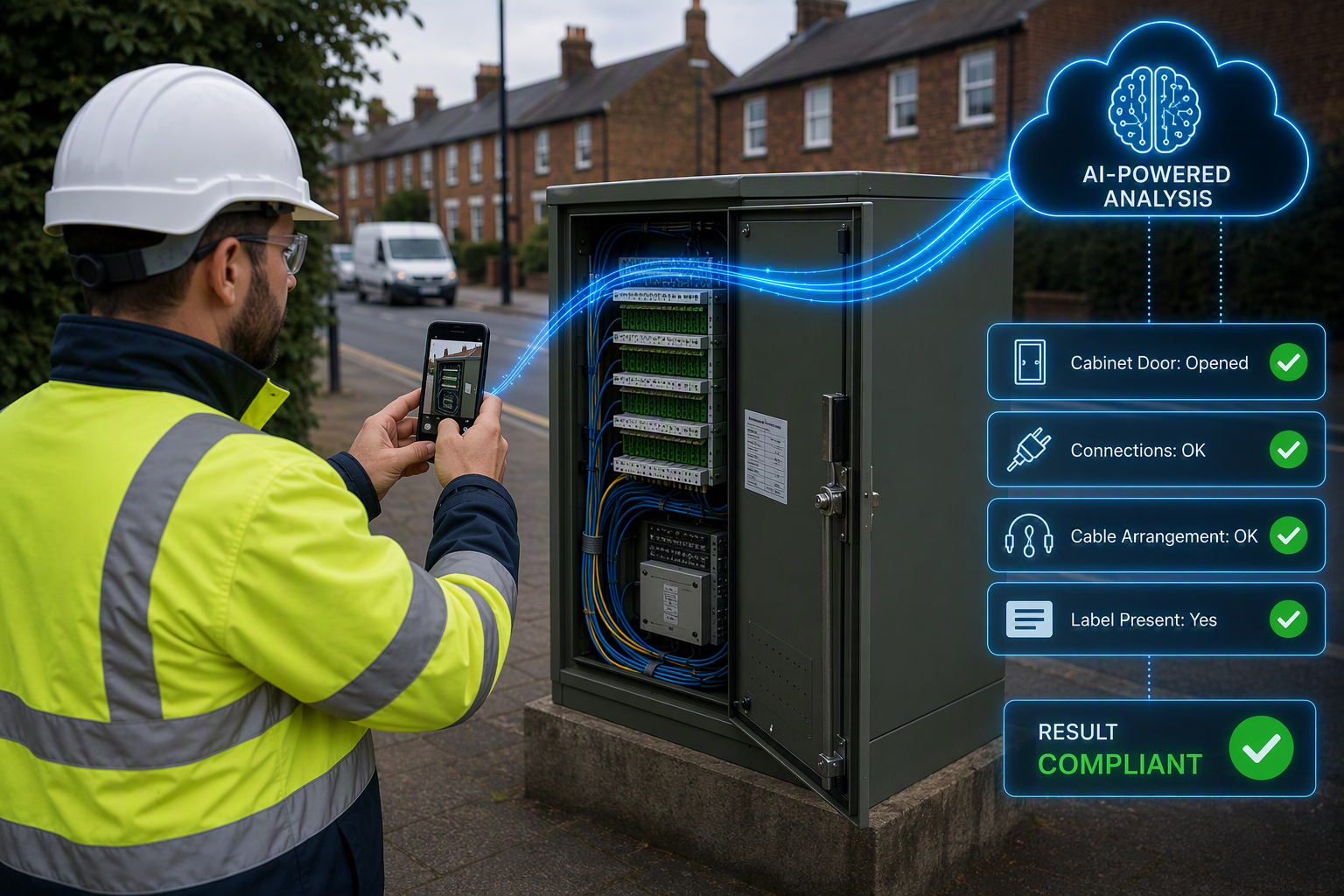
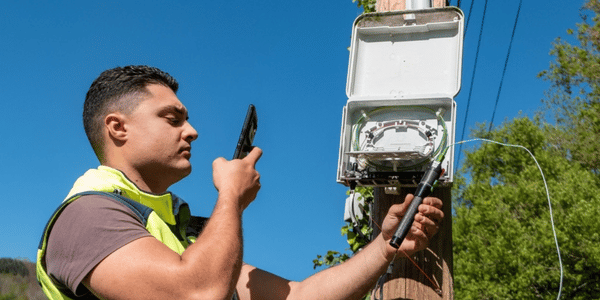
While operators are capturing more photos in the field than ever, they struggle to turn them into a trusted network record. Only 11% of the photos and reports field workers submit are audited. This means they don’t know if the photos capture the right information or if they’re clear, well-lit and usable. Photos that aren’t validated create issues for both current operations and future automation projects. Teams can’t make decisions using photos that don’t show the right information. Operators can’t trust automated data outputs based on photos that aren’t verified.
Operators may have folders full of network documentation, but it isn’t delivering value. Given that just under half of operators said that their legacy systems are poorly integrated, it’s likely that most photos aren’t properly linked to specific assets and that records are difficult to search and access. This makes it hard for decision-makers and crews to use the records for planning and getting work done on site, contributing to the project delays and expensive rework operators are experiencing.
Only 13% of Operators Say that Their Network Records are Largely Complete, Accurate and Up to Date
Most operators said they capture photos to keep their inventory systems current or verify that work has been completed as planned, but just 13% reported that between 76–100% of their physical network records are accurate and up to date. Only about one-third of operators feel confident that their contractors complete field reports accurately.
Inefficient manual processes and siloed legacy systems are likely at the root of these challenges. About half of operators still use paper processes for field operations and 24% reported relying on spreadsheets, CAD systems, or paper-based records. It can take days to reconcile redlines on paper as-builts and ensure that separate spreadsheets align with the latest changes. It’s also difficult for field crews and back-office teams to communicate and collaborate when the tools they’re using aren’t accessible online or in the cloud.
Using these analogue methods makes it nearly impossible to keep a real-time, living record of the network. Only half of operators say that changes made in the field are reflected in their system of record (SOR) within a week and just 7% say that updates happen immediately.
Data accuracy is where operators see the most value from AI
In light of the chronic challenges that today’s field data processes pose for telecom operators, leaders are looking to AI to streamline data validation at scale in preparation for autonomous network capability. 57% of operators say that AI will bring the greatest value through improving network data accuracy and completeness.
Leaders aren’t only interested in enhancing data accuracy to ready operations for automation, they also see high-quality documentation as a strategic asset that adds value to their business. This is becoming increasingly important as market consolidation accelerates, especially in the UK. Nearly all (98%) of operators believe the quality of their physical network data influences valuation during mergers and acquisitions. 55% say it’s a major influence.
They also see greater network visibility as a profit driver. 92% of operators said that improved network data visibility and digital workflows would allow them to improve utilization of existing infrastructure and 91% said that it would reduce construction and maintenance rework.
AI Creates a Clear Path Towards Autonomous Networks
While the majority of operators believe they will be ready for an autonomous network by 2030, most are still laying the groundwork for these ambitious automation initiatives. It’s clear that leaders anticipate that AI will enable them to modernize their operations and completely transform their data capture and organization processes. Operators won’t have to wait for a fully autonomous network to see ROI from their AI investment. With accurate, real-time data validation and AI-driven workflows, telecom leaders can drive efficiency today while building a strong foundation for tomorrow’s advanced automated operations.
Ground Truth Survey 2026 Insights Panel for Telecom
Senior telecom leaders from Brightspeed and Swisscom join IQGeo CTO David Cottingham to examine the survey findings and share their own experience of the challenges they reveal, on Wednesday, October 21 at 3pm BST.



Chief Technology Officer at IQGeo